
The barbell pad is an essential accessory for weightlifters seeking comfort and safety during their workouts at the gym. It provides added protection and support while using barbells, ensuring a more effective and efficient training session. Designed to protect the body from discomfort during heavy compound lifts, this high-density foam pad drastically reduces pressure on the neck, shoulders, and hips while performing exercises such as squats, hip thrusts, and lunges. It is an absolute must-have accessory for fitness trainers and gym-goers alike.
By providing optimal cushioning, the pad enhances stability and balance when performing exercises such as the bench press, allowing you to maintain proper form and technique without agonizing friction. Its durability makes it a popular choice among trainers. Whether you’re a beginner or an experienced lifter at the gym, incorporating a barbell pad into your routine can make a significant difference in your overall lifting experience. Say goodbye to unnecessary pain and discomfort during your fitness routine and say hello to a more enjoyable lifting session with the help of a reliable barbell pad.
Types of Barbell Pads: A Comprehensive Comparison
There are several options available on the market. Each fitness product offers different features and benefits that cater to the specific needs and preferences of trainers. Let’s take a closer look at the best barbell pads for fitness, their unique characteristics, and why you should read about them to find the design that suits your lifting style.
Standard Barbell Pads: Basic Cushioning for General Use
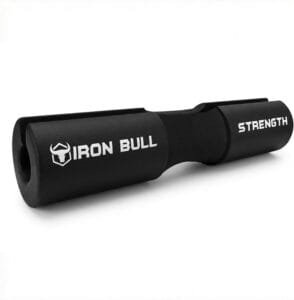
Standard barbell pads are the best and most common type of fitness equipment you’ll come across in commercial gyms. These simple foam rolls provide basic cushioning for your neck and shoulders during fitness exercises like squats, lunges, and calf raises. These standard pads are the easiest choice for creating a comfortable barrier between your body and the hard, knurled metal bar. Made from foam or dense rubber materials, they are highly functional for general use.
Pros:
- Highly affordable and widely available.
- Incredibly easy to snap onto and install on the barbell.
- Provides adequate cushioning for general, mid-weight exercises.
Cons:
- May compress or tear over time with heavy weights.
- Limited shock absorption capabilities during explosive movements.
Thick Barbell Pads: Extra Comfort and Support for Heavy Lifts
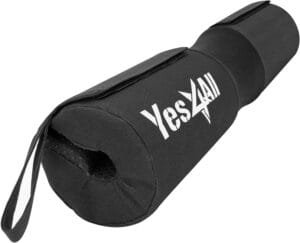
If you’re into heavy lifting or powerlifting, thick barbell pads are an absolute necessity. Adding one alongside the best equipment for Olympic lifting ensures your foundation is fully secure. These dense fitness pads offer significant additional comfort and support, especially when performing exercises that involve maximal loads. The extra thickness helps distribute the immense load more evenly across your upper back and shoulders, drastically reducing discomfort and bruising during intense sets.
Pros:
- Enhanced, high-density cushioning for incredibly heavy lifts.
- Significantly reduces pressure on sensitive areas like the cervical spine.
- Ideal for powerlifters or individuals lifting substantial weights.
Cons:
- Much bulkier compared to standard pads.
- May slightly affect bar stability on the back due to the increased height.
Angled Barbell Pads: Designed Specifically for Hip Thrusts
Hip thrusts are widely considered the best fitness exercise to target glute muscles. They have gained massive popularity in recent years. However, resting a heavy barbell directly on your pelvic bone is incredibly painful. To perform hip thrusts comfortably, angled barbell pads are specifically designed with a central dip to fit ergonomically around your hips while providing ample cushioning on the sides. The unique angle helps maintain proper alignment, completely removing the sharp pain of the metal bar digging into your pelvis.
Pros:
- Customized ergonomic design specifically for hip thrusts.
- Ensures proper form and alignment without pelvic pain.
- Provides massive, targeted cushioning for the hip area.
Cons:
- Limited versatility for other exercises (the angle feels awkward on the neck).
- May not fit all body types comfortably.
Non-Slip Barbell Pads: Prevent Sliding or Shifting During Workouts

One common, incredibly dangerous issue with cheap barbell pads is their tendency to slide or shift mid-workout. To address this problem, the best non-slip barbell pads are equipped with internal features such as textured surfaces or rubberized grips that cling securely to the knurling of the barbell. This ensures that the pad stays perfectly in place throughout your training session, providing a stable and reliable grip for heavy, dynamic exercises.
Pros:
- Prevents dangerous sliding or shifting during exercises.
- Offers supreme stability and control.
- Highly suitable for dynamic or explosive movements.
Cons:
- Sometimes features slightly less padding compared to thicker “squat sponge” types.
Velcro Closure Barbell Pads: Ensure a Secure Fit on the Barbell
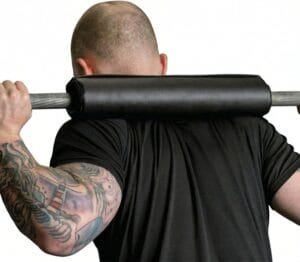
The best Velcro closure barbell pads feature adjustable nylon straps for a secure and incredibly tight fastening around the barbell. This physical locking mechanism ensures the absolute best fit, preventing any spinning, movement, or slippage on the bar during your workout. The velcro closure system is highly reliable and easy to install or remove quickly between sets.
Pros:
- Provides a secure and customizable fit.
- Incredibly easy to adjust, install, and remove.
- Compatible with various sizes of barbells (standard and Olympic).
Cons:
- Velcro strips may wear out or lose their grip over time.
- Requires regular maintenance (cleaning out lint) to ensure longevity.
Gel-Filled Barbell Pads: Superior Shock Absorption
For those seeking the absolute best maximum shock absorption, gel-filled barbell pads offer exceptional cushioning properties. The gel material provides premium comfort as it actively molds to your body shape, effectively absorbing the impact from heavy weights. These pads are the best option for individuals with sensitive neck or shoulder areas.
Why You Should Use a Barbell Pad When Doing Hip Thrusts?
Using a barbell pad for hip thrusts comes with several massive benefits that can enhance your workout experience and help you achieve the best results. Let’s explore these benefits in detail:
Minimizes Discomfort in the Pelvic Area
One of the best advantages of using a barbell pad is that it minimizes discomfort in the pelvic area while performing hip thrusts. Without proper cushioning, the heavy weight of the bar digging into your hip bones can cause agonizing pain, making it challenging to focus on the exercise itself. By using a barbell pad, you create a soft barrier between your body and the heavy bar, removing any potential discomfort.
Allows You to Focus on Glute Activation Without Distractions
When performing hip thrusts, it’s crucial to concentrate on activating your glutes effectively to achieve the best results. The use of a barbell pad allows you to do just that by eliminating distractions caused by discomfort or pain. With the pad providing thick cushioning and support, you can solely focus on engaging your glutes and maximizing their activation during each repetition.
Prevents Bruising or Chafing Caused by Direct Contact With the Bar
The best way to avoid bruising or chafing during heavy hip thrusts is to minimize direct contact between your body and the bar. The raw knurling of an Olympic bar can be highly abrasive and deter you from continuing with your workouts. By using a barbell pad, you create a protective layer that prevents direct friction between your skin and the metal, effectively eliminating the risk of deep bruising.
Promotes Proper Alignment of the Spine Throughout the Exercise
Maintaining proper spinal alignment is essential for preventing injuries during any exercise, especially heavy hip thrusts. A barbell pad helps promote correct posture by providing a stable pivot point across your hips. This ensures that your spine remains aligned throughout each repetition, reducing shear force on your lower back and minimizing the risk of injury.
Enables Progressive Overload by Increasing Weight Safely Over Time
Progressive overload is the fundamental principle in strength training, involving gradually increasing the weight you lift to continuously challenge your muscles. Using a high-quality barbell pad allows you to safely load up the weight for hip thrusts over time. As your glute strength improves, you can add heavy weight plates to the bar without the fear of compromising your comfort or form.
Proper Usage of Barbell Pads for Squats
To ensure a safe and effective squatting experience, it is crucial to use a barbell pad correctly. Here are some key points to keep in mind when using a barbell pad for squats:
Position the Pad Securely in the Center of Your Upper Back
When placing the barbell pad on your upper back, make sure it is positioned securely in the absolute center of the bar. This will help distribute the weight evenly and prevent dangerous imbalances or potential injuries. The pad should sit cleanly on the meat of your trapezius muscles, just below the base of your neck (avoiding your cervical vertebrae).
Ensure That It Covers Both Sides of the Neck Evenly
The barbell pad should cover both sides of your neck evenly to provide adequate cushioning and support. This will help protect your neck from any uneven strain or pressure during the squat movement. Take a second to adjust the position of the pad before un-racking the bar to ensure equal coverage on both sides.
Maintain a Firm Grip on the Bar While Keeping Your Elbows Down
While using a barbell pad, it’s still critically important to maintain a firm grip on the bar. This will give you better control and stability throughout the squatting motion. Keeping your elbows pointed down (rather than flared back) will help engage your upper back muscles, creating a solid “shelf” for the pad to sit on.
Descend Into a Squat by Bending at Your Knees and Hips Simultaneously
To perform a squat with proper technique, start by breaking at both your knees and hips simultaneously. Lower your body by bending your knees until your thighs are parallel to the ground or slightly lower. This depth can vary depending on individual factors such as flexibility and strength.
Maintain Proper Form by Keeping Your Chest Raised, Back Aligned, and Knees Tracking
Maintaining good posture during squats is essential for preventing injuries and maximizing results. Keep your chest up throughout the movement to avoid rounding your upper back. Ensure that your spine remains straight from top to bottom. Lastly, make sure your knees are actively tracking in line with your toes to prevent any valgus collapse (knees caving in), which puts unnecessary stress on the joints.
By following these guidelines, you can perform squats safely and effectively while using a barbell pad. When learning, it is always important to begin with lighter weights and then gradually increase the weight as you feel more at ease and confident with your technique. Listen to your body and make adjustments if needed.
How to Choose the Right Barbell Pad for Your Needs
There are several factors you should consider before making a purchase. Let’s dive into some key points that will help you find the perfect one for your needs.
Thickness: Personal Preference and Comfort Level
The thickness of a barbell pad plays a crucial role in providing comfort and support during your workouts. Some people prefer thicker pads, while others may find thinner ones more suitable. When it comes down to it, your personal preference and what feels comfortable for you are the deciding factors.
- Thicker Pads: If you’re looking for extra cushioning and support, opt for a thicker pad. These pads provide additional protection against discomfort caused by heavy weights resting on your shoulders or hips.
- Thinner Pads: On the other hand, if you prefer a closer feel to the barbell, a thinner pad might be ideal. Thinner pads allow for better stability and control during exercises like squats or hip thrusts.
Consider trying out different thicknesses to determine which one suits you best. Remember, finding the right balance between comfort and functionality is key.
Durability: Materials That Withstand Regular Use
When investing in a barbell pad, durability is an essential factor to consider. You want a pad that can withstand regular use without wearing out quickly or losing its shape.
Look for materials known for their durability, such as high-density foam or rubberized compounds. These materials are designed to endure heavy loads and resist deformation over time.
- High-Density Foam: Pads made from high-density foam offer excellent shock absorption properties while maintaining their shape even with frequent use.
- Rubberized Compounds: Barbell pads constructed with rubberized compounds are highly durable and resistant to wear and tear. They can handle substantial weight without deteriorating.
By choosing a barbell pad made from durable materials, you can ensure it will last longer and provide consistent support throughout your workouts.
Fit: Securely Attaching to Different Barbell Sizes
Another crucial aspect to consider when selecting a barbell pad is its fit. You want a pad that securely attaches to different barbell sizes, ensuring it stays in place during your exercises.
- Adjustable Straps: Look for pads with adjustable straps that can accommodate various barbell diameters. You can adjust the fit of the barbell pad to suit your requirements.
- Hook-and-Loop Fasteners: Some pads come with hook-and-loop fasteners, providing a secure grip around the bar. These fasteners ensure that the pad remains firmly in place throughout your workout session.
A well-fitting barbell pad prevents unnecessary movement or sliding during exercises, allowing you to focus on proper form and technique.
Non-Slip Surface: Preventing Sliding During Workouts
To enhance stability and prevent slipping, it’s essential to choose a barbell pad with a non-slip surface. This feature ensures that the pad stays firmly in position while you perform various exercises.
- Textured Design: Look for pads with textured surfaces or patterns that offer enhanced grip. These designs help prevent any unwanted sliding or shifting of the pad during your workouts.
- Anti-Slip Materials: Some pads are made from anti-slip materials like rubber or silicone, which further minimize the chances of sliding even when you’re sweating or lifting heavy weights.
By selecting a barbell pad with a non-slip surface, you can maintain better control and stability throughout your training sessions.
Exercise Specificity: Suitable for Different Exercises
Consider the specific exercises you’ll be using the barbell pad for. Certain exercises require different types of padding and support.
- Hip Thrusts: If hip thrusts are part of your routine, look for a pad specifically designed to provide optimal comfort and protection for this exercise. These pads often have a contoured shape that fits snugly around the hips, reducing discomfort and pressure.
- Squats: For squats, choose a pad that offers adequate cushioning and support for your shoulders.
Tips for Maximizing Safety and Comfort during Weight Lifting with Barbell Pads
Weight lifting can be an intense and rewarding workout, but it’s crucial to prioritize safety and comfort to avoid injuries. When using a barbell pad, there are several key tips to keep in mind that will help you get the most out of your workout while minimizing any discomfort.
Always Warm Up Before Starting Your Workout
Before diving into your weightlifting routine, take the time to warm up your muscles. This helps increase blood flow and flexibility, reducing the risk of strains or injuries. Engage in dynamic stretches or perform light cardio exercises such as jogging or jumping jacks for at least 5-10 minutes. Warming up prepares your body for the upcoming workout and allows you to perform each exercise more effectively.
Maintain Proper Form and Technique Throughout Each Exercise
Maintaining proper form is essential when weightlifting with a barbell pad. Incorrect form not only reduces the effectiveness of the exercise but also increases the likelihood of injury. Focus on engaging the correct muscles and performing each movement with control. Keep your back straight, shoulders down and back, and core engaged throughout each repetition. If you’re unsure about proper form, consider working with a qualified trainer who can guide you through proper technique.
Gradually Increase the Weight to Avoid Sudden Strain or Injury
When using a barbell pad, it’s important to gradually increase the weight over time rather than making sudden jumps. Increasing weight too quickly can put excessive strain on your muscles and joints, leading to potential injuries. Start with lighter weights that allow you to maintain good form and gradually progress as your strength improves. This gradual progression gives your body time to adapt and reduces the risk of strain or injury.
Regularly Inspect the Barbell Pad for Any Signs of Wear and Tear
Inspecting your barbell pad regularly is crucial for ensuring both safety and comfort during weightlifting sessions. Look for any signs of wear and tear, such as cracks, tears, or flattened padding. If you notice any damage, it’s essential to replace the pad promptly to avoid compromising its effectiveness. Using a worn-out barbell pad can lead to discomfort and potentially increase the risk of injury.
Adjust the Position of the Pad if You Experience Discomfort during Lifting
If you experience discomfort while using a barbell pad, don’t hesitate to adjust its position. The placement of the pad on your back can significantly impact your comfort level during weightlifting exercises. Experiment with different positions until you find one that feels comfortable and provides adequate support for your specific body type and workout routine.
Common Mistakes to Avoid When Using Barbell Pads
Placing the Pad Too High on Your Neck
One common mistake many people make when using barbell pads is placing them too high on their necks. This can lead to discomfort and even instability during exercises. To avoid this, it’s important to position the pad in the correct spot – right on top of your trapezius muscles, not directly on your cervical spine or neck.
Neglecting to Secure the Pad Tightly
Another mistake that people often make is failing to secure the barbell pad tightly. If the pad isn’t properly fastened, it can shift or slide around while you’re performing exercises, which can be both distracting and unsafe. Take a moment before each set to ensure that the pad is securely attached to the barbell.
Leaning Excessively Forward or Backward
Maintaining proper form is crucial when using a barbell pad. One mistake that beginners often make is leaning excessively forward or backward while lifting weights with a pad. Using a barbell pad can help prevent putting unnecessary strain on your back and reduce the risk of injury. Instead, focus on keeping your core engaged and maintaining an upright posture throughout each exercise.
Failing to Maintain Control Over the Weight
Using a barbell pad doesn’t mean you can neglect proper weightlifting techniques. It’s essential to maintain control over the weight at all times to prevent injuries or accidents. Avoid swinging or jerking motions when lifting, and lower the weight in a controlled manner. Keep in mind that prioritizing safety is of utmost importance.
Overlooking Regular Cleaning and Maintenance
Cleaning and maintaining your equipment may not be glamorous, but it’s an important part of ensuring its longevity and functionality – including your trusty barbell pads! Many people overlook this aspect of fitness gear care, but neglecting regular cleaning can lead to a buildup of sweat, dirt, and bacteria on the pad’s surface. To keep your barbell pad in top shape, make it a habit to clean it after each use with mild soap and water or a disinfectant wipe.
By avoiding these common mistakes when using barbell pads, you can enhance your workout experience and reduce the risk of injury. Remember to position the pad correctly on your neck, secure it tightly to prevent shifting, maintain proper form by avoiding excessive leaning, prioritize control over the weight to minimize accidents, and don’t forget to regularly clean and maintain your barbell pads for optimal hygiene.
Incorporating Barbell Pads for Effective Strength Training
Incorporating barbell pads into your strength training routine can greatly enhance your workout experience and help you achieve better results. As discussed in the sections above, there are various types of barbell pads available, each with its benefits and uses. Whether you’re performing hip thrusts or squats, using a barbell pad can provide added comfort and support, allowing you to focus on proper form and technique.
To maximize the effectiveness of your strength training sessions, it’s important to choose the right barbell pad for your needs. Consider factors such as thickness, material, and durability when making your selection. Always ensure that you are using the pad correctly to avoid any potential injuries or discomfort.
By incorporating a barbell pad into your workouts, you can take your strength training to the next level. Not only will it provide you with added comfort during exercises like hip thrusts and squats, but it will also help protect sensitive areas of your body from unnecessary strain. So don’t hesitate to invest in a quality barbell pad today and start reaping the benefits of enhanced safety and performance during your weightlifting sessions.
FAQs
Can I use any type of barbell pad for all exercises?
While some barbell pads are versatile enough to be used for multiple exercises, it is recommended to choose a specific type of pad depending on the exercise you’ll be performing. For example, if you primarily do hip thrusts, investing in a specialized hip thrust pad would provide optimal support and comfort specifically tailored for that exercise.
How do I know which thickness is suitable for me?
The thickness of a barbell pad depends on personal preference and individual needs. Thicker pads generally offer more cushioning but may also affect stability during certain exercises. It’s best to try out different thicknesses and see what feels most comfortable for you while maintaining proper form and stability.
Can I use a barbell pad for other types of weightlifting exercises?
Absolutely! While barbell pads are commonly used for exercises like hip thrusts and squats, they can also be beneficial for other exercises that involve the barbell resting on your body, such as lunges or glute bridges. Just make sure to choose a pad that suits the exercise and provides adequate support.
How do I clean and maintain my barbell pad?
Cleaning and maintaining your barbell pad is relatively simple. Most pads can be wiped down with a damp cloth after each use to remove any sweat or dirt. It’s important to check the pad regularly for any signs of wear or damage and replace it if necessary to ensure optimal safety and effectiveness.
Can beginners use barbell pads?
Certainly! Barbell pads can benefit individuals of all fitness levels, including beginners. They provide added comfort and support, which can help beginners build confidence in their form while reducing discomfort during workouts. Whether you’re just starting or have been strength training for years, incorporating a barbell pad into your routine can be highly advantageous.
Leave a Reply