If you’re serious about Olympic lifting, you know that the right equipment makes all the difference. The best equipment doesn’t just help you perform better; it also plays a big role in ensuring safety and durability as you push your limits.
Whether you’re setting up a home gym or upgrading your current setup, the right gear can be a game-changer for improving your form, power, and overall performance. So, what exactly should you be looking for? Let’s break it down, piece by piece.
Why Quality Matters in Olympic Lifting
Olympic lifting isn’t just any workout. It’s an art form that combines power, speed, and technique, requiring both mental focus and physical strength. To maximize this explosive speed, many athletes pair their barbell training with plyometric equipment to develop fast-twitch muscle response. The best equipment for Olympic lifting not only helps you hit new PRs but also ensures you’re doing it safely.
Cheap, unreliable gear can compromise your performance and increase your risk of injury, especially when you’re handling heavy loads. Investing in high-quality equipment is a long-term investment in your health, progress, and overall experience in the sport. Subpar gear might save you a few bucks upfront, but the potential cost of injury or frustration in the long run simply isn’t worth it. You want equipment that can stand up to the stress of repeated use, heavy loads, and fast, explosive movements.
1. Olympic Barbells
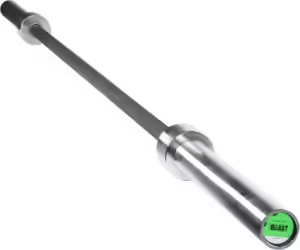
The most crucial piece of equipment is, of course, the Olympic barbell. Not just any bar will do. The best Olympic barbells are designed to handle the unique demands of Olympic lifting, which involves heavy weights and fast, dynamic movements.
A good barbell should have a strong yet flexible shaft that can absorb the shock of heavy loads without permanently bending. You’ll want a bar with proper whip—a slight flex that generates momentum, especially during the clean and jerk. It should also feature knurling that offers a strong grip without tearing up your hands and high-quality bearings that allow the sleeves to spin smoothly, preventing dangerous torque on your wrists. The right barbell can transform your lifting experience, making movements feel smoother and more controlled.
2. Bumper Plates
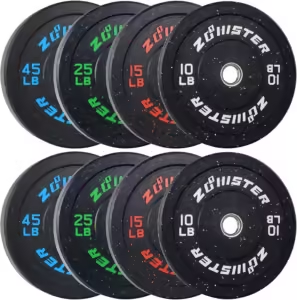
Next up are bumper plates—they’re non-negotiable for Olympic lifting. Unlike regular cast iron weight plates, bumper plates are made from rubber and designed specifically to handle being dropped from overhead without damaging your floors or the plates themselves. And let’s face it, if you’re working on explosive lifts like the snatch or clean and jerk, dropping the weight is simply part of the game.
The rubber coating on bumper plates absorbs impact, protecting both your barbell and the surface beneath it. Plus, all bumper plates (regardless of weight) have the same standard diameter, which means the bar height remains consistent. This is crucial for ensuring proper form during pulls from the floor. Don’t forget to look for bumper plates that are durable enough to withstand repeated drops, as lower-quality plates can crack or warp over time.
3. Weightlifting Shoes
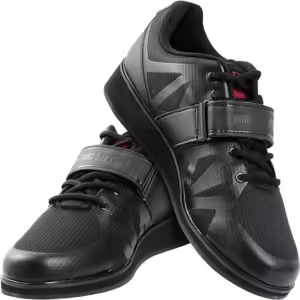
Shoes might not be the first thing that comes to mind when thinking about equipment, but they are absolute game-changers. Weightlifting shoes are built specifically for stability, featuring a raised heel that helps you achieve vastly better positioning during lifts.
The elevated heel allows for greater ankle mobility, which is especially helpful in maintaining an upright torso during deep squats, cleans, and snatches. Additionally, the hard, non-compressible sole ensures you’re transferring as much power as possible from the ground straight into the bar. Lifting in running shoes—which are designed to compress and absorb impact—is a common mistake that ruins stability. Once you switch to proper weightlifting shoes, you’ll notice an immediate difference in your power and balance.
4. Lifting Straps
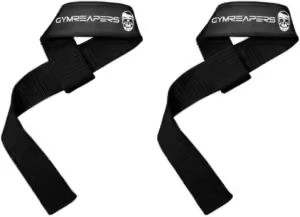
Sometimes, your grip gives out before your strength does. That’s where lifting straps come in. While you should definitely aim to build grip strength over time, lifting straps can be a highly valuable tool, allowing you to focus on your form and power during heavy pulls like deadlifts or clean pulls.
When used correctly, lifting straps help you move more weight by taking the strain off your grip and placing the focus purely on your larger muscle groups. This allows you to train your legs and back harder, without being held back by fatigued hands. However, it’s important to strike a balance: use straps for your heaviest sets, but continue building natural grip strength during lighter lifts.
5. Weightlifting Belts
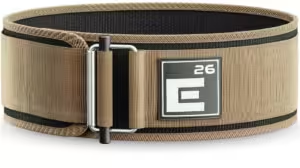
A solid weightlifting belt isn’t just for bodybuilders or powerlifters. It is an essential piece of equipment for Olympic lifting, helping to stabilize your core and protect your lower back during heavy, maximal lifts.
The belt increases intra-abdominal pressure, which acts like a natural brace for your spine. This gives you the added support needed when attempting maximal efforts in lifts like squats, cleans, or jerks inside a power rack. While a weightlifting belt won’t replace the need for a strong core, it can certainly enhance your lifting capacity by offering extra stability. Use it strategically during your heaviest sets, but don’t rely on it for every lift—building a strong core naturally should still be a priority.
How to Choose the Best Equipment for Olympic Lifting
So, how do you pick the best gear? Consider these key factors when making your decision:
Durability: Olympic lifting gear takes a beating. Repeated use, heavy loads, and explosive movements are tough on your equipment. Ensure the gear you choose can handle heavy abuse without wearing out quickly.
Performance: Look for equipment that not only lasts but actively enhances your performance. A bar with proper whip or shoes that provide the perfect amount of heel lift will help you move more effectively.
Safety: Above all, your equipment needs to protect you. Whether it’s bumper plates that won’t bounce dangerously or a belt that supports your spine, quality gear is a direct investment in your safety and long-term progress.
Frequently Asked Questions (FAQs)
Do I need a special barbell for Olympic lifting?
Yes! A barbell designed for Olympic lifting has specific features like a flexible “whip” and smooth-spinning needle bearings that make it perfectly suited for fast, explosive movements. Regular static powerlifting barbells lack these features, which can negatively affect your technique and safety.
Why are bumper plates important for Olympic lifting?
Bumper plates are crucial because their rubber coating allows them to be safely dropped from overhead without damaging the plates, your barbell, or the floor. They also maintain a consistent, standard height for every lift, which is essential for practicing proper pulling technique from the floor.
What’s the benefit of weightlifting shoes?
Weightlifting shoes provide a solid, non-compressible base for maximum power transfer. Their raised, hard heel greatly improves ankle mobility, allowing you to keep your torso more upright during deep squats and explosive lifts like the snatch or clean and jerk.
Should I use lifting straps for Olympic lifting?
Lifting straps are highly useful when grip strength becomes a limiting factor, allowing you to focus purely on pulling heavy weight during cleans or deadlifts. However, it’s important to use them selectively so you continue to develop natural grip strength.
Is a weightlifting belt necessary for Olympic lifting?
While not strictly required, a weightlifting belt is highly recommended for your heaviest lifts. It stabilizes your core and protects your lower back by increasing intra-abdominal pressure, allowing you to move maximal weights much more safely.
Final Thoughts
Having the best equipment for Olympic lifting is essential for improving your performance, staying safe, and reaching your true potential. From Olympic barbells to lifting straps, each piece of specialized gear plays a massive role in maximizing your strength and efficiency during complex lifts.
Invest in quality gear that supports your lifts, protects your body, and helps you become a better lifter. Your training—and your joints—will thank you!