Key Takeaways
- Functional fitness equipment is essential for improving strength, balance, coordination, and flexibility, preparing you for the demands of everyday life.
- Investing in versatile gear like dumbbells, kettlebells, and resistance bands provides the best foundation for a comprehensive functional routine.
- Choose high-quality, durable equipment that fits your specific space and budget constraints.
- Home workouts provide flexibility and time-saving benefits, allowing you to customize your routine to match your individual fitness levels.
- Prioritize gear that can scale with your progression to get the most long-term value out of your setup.
- Maintain an organized, safe home gym space with proper flooring to maximize your motivation and training longevity.

To develop a comprehensive foundation in functional fitness, your home gym setup is the perfect starting point. Functional fitness focuses on training your muscles to work in unison, building strength in a way that directly improves your performance in everyday activities like carrying groceries or navigating stairs.
By investing in versatile gear, you can maximize your workout productivity. Focus on essentials like kettlebells, resistance bands, and dumbbells, which provide a wide variety of movements to engage your major muscle groups.
Adding adjustable weight benches and medicine balls brings new levels of variety and intensity to your routine. Invest in the right essentials to assemble your ultimate fitness sanctuary.
Understanding Functional Fitness
Functional fitness is focused on preparing the body for the movements we perform in the real world. By mimicking real-life patterns, this method allows your muscles to function together efficiently. This training enhances core stability, balance, coordination, and flexibility, providing well-rounded development that aids both daily life and athletic performance.
What is Functional Fitness?
Functional fitness refers to workouts that mimic the motions used in everyday life. It uses several muscle groups and joint actions simultaneously, providing a holistic approach to training. Things like squatting, lunging, and carrying heavy objects are staples of this approach.
These movements prepare your body for the physical demands of your house, job, or athletic endeavors. Versatile functional trainers—such as the Beyond Power Voltra I—are highly effective because they allow you to perform dozens of different movements, often utilizing adjustable resistance ratios to adapt to your specific fitness level.
Benefits of Functional Fitness
The benefits of functional fitness are extensive. It improves stability and mobility, develops overall strength, and encourages healthier movement mechanics, which leads to a lower risk of injury. These workouts are versatile, making them ideal for almost any goal.
Commercial-grade machines, such as the G20 Pro, provide ruggedness and versatility for serious training. However, functional fitness does not require massive budgets; you can start with gear as simple as a basic kettlebell or medicine ball.
Importance of Home Workouts
Home workouts offer unmatched convenience and fit seamlessly into busy schedules. You save money by avoiding gym membership dues and travel costs. Additionally, these alternatives allow you to tailor routines to fit your exact equipment needs.
Note: Most ceilings range from 7 to 9 feet. Be sure to measure your space carefully before installing functional trainers or suspension systems.
Essential Home Gym Equipment
Here is a list of must-have gear to transform any space into a versatile workout area:
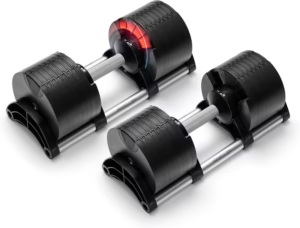
1. Dumbbells
Dumbbells are arguably the most versatile piece of equipment you can own. They provide a massive variety of exercises that develop muscle endurance and grip strength. From presses and rows to squats, they are essential for any home gym.
2. Kettlebells
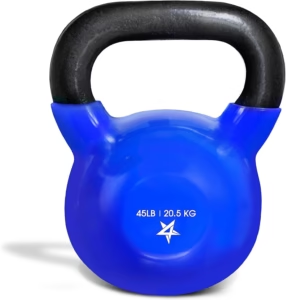
Kettlebells are excellent for explosive movements and conditioning. Exercises like swings, snatches, and Turkish get-ups provide total body workouts, building explosive power and core stability—both of which are crucial for athletic and daily life.
3. Resistance Bands
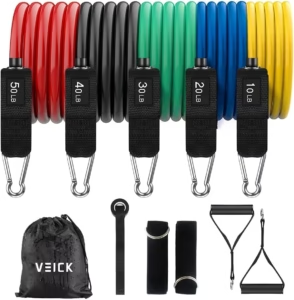
Resistance bands are portable, inexpensive, and perfect for any home plan. They offer variable resistance, which can be tailored to focus on specific muscle groups, making them highly effective for rehabilitation and mobility training.
4. Medicine Balls
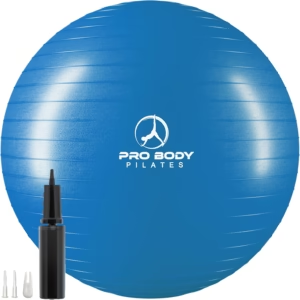
Medicine balls are functional strength tools suited for explosive movements. Dynamic exercises such as slams, throws, and rotational work train multiple muscle groups simultaneously, creating efficient movement patterns and a stronger core.
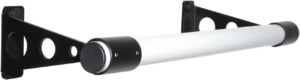
5. Pull-Up Bars
Pull-up bars are key components for building upper body strength. They aid in pull-ups, chin-ups, leg raises, and more, offering a complete upper-body workout in a compact design.
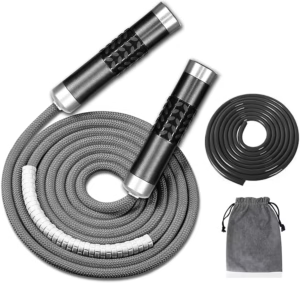
6. Jump Ropes
Jump ropes are perfect for cardiovascular conditioning and agility training. They build coordination, balance, and endurance. Adding rope intervals is a fun and high-intensity way to vary any workout routine.
If you want to add another dimension to your cardiovascular and agility training, utilizing an adjustable step platform is highly effective. You can learn how to scale your intensity safely in our guide on Stepper Risers: Elevate Your Workout with Aerobic Step Platforms to build explosive lower body power.
7. Stability Balls
Stability balls are excellent tools for building core strength and stability. Ball passes, wall squats, and crunches all work well with these multi-purpose tools.
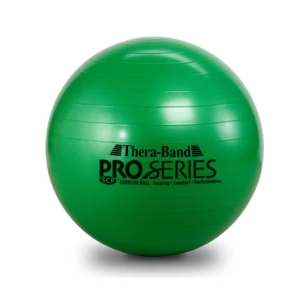
They are equally useful in both strength training and rehabilitation environments.
8. Adjustable Benches
You will want an adjustable bench that supports presses, rows, curls, and anything in between. The incline and decline settings target various muscle groups with versatility.
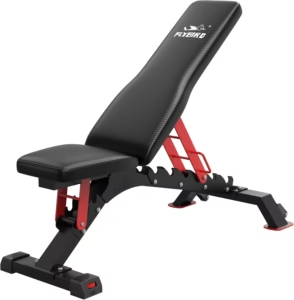
Their designs frequently incorporate space-saving features, making them a smart option for at-home gyms.
Choosing the Right Equipment
When building a home gym, take into account your fitness objectives, available space, and budget. These elements guide your choices:
- Define your goals—whether it is losing weight, gaining muscle, or increasing endurance. This helps you select the appropriate gear.
- Measure your area to find equipment that fits. Compact machines are ideal for tight spaces so you do not sacrifice capability.
- Set a realistic budget. Prioritize durability, such as commercial-grade quality, and consider buying used gear when possible.
Assess Your Fitness Goals
Begin by determining what you hope to achieve. Having specific, clear goals guides your equipment decisions and routines. To keep momentum, set reachable milestones to measure success.
If improving endurance is your goal, look for versatile machines like a Bowflex, which can offer more varied training options than a standard elliptical.
Consider Space Availability
Measure your space and select small-scale equipment if necessary. Multi-use machines maximize your workout options without requiring a large footprint.
Keep in mind that many machines are heavy and require assembly, so factor that into your planning.
Budget Constraints and Options
Here are some budget-friendly options for functional fitness:
- Resistance Bands: Affordable and highly versatile.
- Dumbbells: A staple for strength training.
While price matters, quality is key. Buying second-hand can save you money, but ensure the gear fits your objectives.
Functional fitness prepares your muscles for real-life activities such as lifting and pushing. Home gyms provide the ultimate convenience, saving both time and money.
Key Features of Functional Equipment
Versatility and Adaptability
Functional fitness equipment promotes diverse movement patterns. Highly versatile tools, such as the Bulgarian Bag and sandbags, are strong contenders for total-body workouts.
The Bulgarian Bag emulates kettlebell movements, incorporating swings that improve grip strength. Sandbags, with their shifting center of gravity, provide a unique training experience.
These tools customize to your fitness level, assisting you in building strength, coordination, or balance.
If you want to push your functional training to the absolute limit, adding a heavy-duty conditioning tool can dramatically increase your explosive power. To learn how to maximize your full-body workouts and build relentless endurance, check out our complete guide on using a prowler sled.
Durability and Quality
Choose high-quality materials to support long-lasting equipment. Thoughtfully designed functional gear features heavy-duty construction built to withstand everyday use.
To ensure you make the best choice, always review ratings to determine reliability. A smart investment keeps your workouts challenging and productive for years to come.
Ease of Storage and Use
When square footage is tight, features like foldable designs and lightweight materials improve usability. Equipment that is easy to assemble helps make establishing a home gym a quick process.
Rapid transitions between exercises help maintain a quick pace. Look for space-efficient pieces like adjustable dumbbells or resistance bands that can be stowed away when not in use.
Tips for Setting Up a Home Gym
Creating a motivating home gym involves more than just picking machines. Here are practical tips to make your space functional:
- Ensure the room has proper home gym lighting and good airflow.
- Use shelves or racks to keep equipment tidy and organized.
- Set aside a specific area for your gym activities to encourage consistency.
- Include decor that speaks to your motivation, such as quotes or personal touches.
Maximize Space Efficiency
Arrange your equipment to free up floor space. Vertical storage, such as wall-mounted racks, keeps your gear organized. Multi-purpose items like adjustable dumbbells and benches work double duty to save space.
Ensure Safety and Comfort
Safety is paramount. Use equipment correctly to avoid injury. Providing the right flooring, such as rubber mats, increases both safety and comfort. Scheduled maintenance keeps your equipment running effectively.
Having the right machines and free weights is only half the battle when building your functional fitness space; you also need the proper foundation for your feet. To ensure you have the necessary grip, stability, and support during dynamic lifts and agility drills, check out our expert picks for the best cross training shoes.
Create a Motivating Environment
Add music, colors, and personal touches to create an inspiring space. Limit distractions, set SMART goals, and focus on consistency to stay motivated.
Conclusion
Building a home gym for functional fitness will maximize your workouts and cater to your specific needs. By choosing the right equipment—such as kettlebells, resistance bands, and medicine balls—you can boost your overall strength and flexibility. Creating an inspiring environment is the final step in achieving your dreams.
Frequently Asked Questions
What is functional fitness?
Functional fitness exercises are designed to help you perform everyday activities safely and efficiently. It develops strength, balance, and flexibility, which improves overall body functioning and decreases injury risk.
What is the best home gym equipment for functional fitness?
Core equipment includes kettlebells, resistance bands, medicine balls, and adjustable dumbbells. These tools are adaptable for total-body support and improving coordination.
How do I choose the right home gym equipment?
Consider your goals and available space. Choose multi-purpose, durable equipment that offers high quality for long-term use.
What features should I look for in functional fitness equipment?
Look for equipment that offers versatility, convenience, and durability. It should enable a wide range of movements and withstand heavy use.
Can I set up a home gym in a small space?
Yes. Focus on space-saving, versatile gear like resistance bands and adjustable dumbbells, and utilize vertical storage.
Is functional fitness suitable for beginners?
Yes, it is beginner-friendly. Focus on learning fundamental movements before increasing the intensity.
How can functional fitness benefit my daily life?
It makes daily tasks easier by increasing strength, balance, and coordination, which also makes falls less likely.