
A wall-mounted pull-up bar is a convenient and versatile piece of fitness equipment designed for upper body strength training. Whether you’re a beginner or an advanced athlete, this simple addition to a home gym setup unlocks a range of strength training exercises—such as pull-ups, chin-ups, and leg raises—to effectively target multiple muscle groups.
One of the major advantages of a wall-mounted pull-up bar is its straightforward installation. It can be securely mounted on any sturdy wall stud or masonry, making it suitable for both garage gyms and professional fitness centers. With its compact, space-saving design, it provides an incredibly efficient workout solution without eating up valuable floor space.
With a wall-mounted pull-up bar in your home gym, you can drastically enhance your upper body strength, improve your grip, and work on various pulling movements right from the comfort of your own space. Whether you’re just starting out or you are an experienced athlete looking to incorporate advanced gymnastics movements, a mounted bar is one of the best investments you can make to achieve your fitness goals.
Benefits and Advantages of Wall-Mounted Pull-Up Bars
Regular use of a wall-mounted pull-up bar can have profound benefits for your fitness journey. Let’s explore some of the major advantages that these versatile fixtures offer for functional fitness and raw strength.
Improved Upper Body Strength and Muscle Definition
Wall-mounted pull-up bars are excellent tools for building upper body strength and muscle definition. These units are designed to be mounted directly to structural studs, providing a sturdy, high-weight-capacity base for performing intense exercises. Unlike doorway pull-up bars—which can limit your range of motion—wall-mounted versions offer much more flexibility in terms of placement and stability. By engaging multiple muscle groups simultaneously, such as the back, arms, shoulders, and core, they provide a highly comprehensive workout. Regularly performing pull-ups is simply one of the best ways to develop strong biceps, triceps, and lats.
Cost-Effective Alternative to Gym Memberships or Bulky Machines
One significant advantage of wall-mounted pull-up bars is that they are an incredibly cost-effective investment. While gym memberships or bulky lat-pulldown machines require a substantial financial commitment, a simple pull-up bar provides exceptional ROI. Once installed in your home or garage, it becomes a permanent fixture that allows you to perform a massive range of exercises without any recurring costs.
Versatility in Targeting Different Muscle Groups
Wall-mounted pull-up bars provide outstanding versatility. In addition to standard pull-ups, you can perform variations like chin-ups (with an underhand grip), wide-grip pull-ups (targeting the outer lats), close-grip pull-ups (focusing on the inner lats), and neutral-grip pull-ups (using parallel handles). These grip modifications allow you to engage specific muscles more intensely based on your current fitness goals.
Improved Grip Strength and Athletic Performance
Regularly using a wall-mounted pull-up bar will significantly improve your raw grip strength. The act of gripping the bar tightly while suspending your body weight forces the muscles in your hands, wrists, and forearms to adapt and grow. This increased grip strength not only enhances your performance during other heavy weightlifting exercises (like deadlifts) but also carries over into everyday activities and sports.
Convenience and Accessibility
Having a wall-mounted pull-up bar in your own home offers unmatched convenience. You can work out whenever you want, without worrying about gym hours, packed equipment, or commuting to a fitness facility. This accessibility encourages total consistency in your workout routine, allowing you to progress steadily toward your goals.
Space-Saving Design
Wall-mounted pull-up bars are designed to save space, making them ideal for those with limited room for exercise equipment. Unlike bulky cable machines or power towers that take up valuable floor space, wall-mounted bars utilize vertical space on the wall. This minimalist design allows you to maintain precious square footage in your home or garage.
Suitable for All Fitness Levels
Whether you’re a beginner or an advanced fitness enthusiast, pull-up bars can accommodate everyone. Beginners can start with assisted variations using resistance bands or by performing negative reps (jumping up and lowering yourself slowly). As you build structural strength over time, you can seamlessly progress to strict unassisted pull-ups and more challenging weighted variations.
Types of Wall-Mounted Pull-Up Bars
Fixed-Mount Wall Bars

Fixed-mount wall bars are the first type of wall-mounted pull-up bars we’ll discuss. These bars are permanently attached to the wall, providing maximum stability during workouts. They are a popular choice for those who have dedicated space for their routines and want a sturdy, reliable option.
One of the main advantages of fixed-mount wall bars is their durability. Since they are securely mounted to wooden studs or masonry, they can withstand heavy use without any wobbling or shifting. This makes them ideal for intense, dynamic exercises like weighted pull-ups or muscle-ups.
Another benefit is that they typically offer multiple grip positions. This allows you to target different muscles and vary your workouts for better overall strength development. Some models even come with additional anchor points to attach suspension straps or gymnastic rings, further expanding the range of exercises you can perform.
However, it’s important to note that installation requires drilling heavy lag bolts into your wall. If you’re not comfortable with using tools or if you are renting a space where structural modifications aren’t allowed, fixed-mount wall bars may not be the best option for you.
Doorway-Mounted Pull-Up Bars
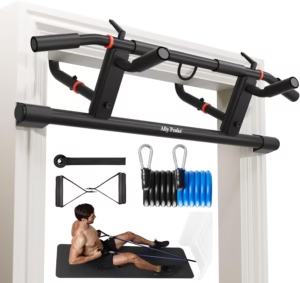
Next up, we have doorway-mounted pull-up bars. These versatile options offer convenience and ease of installation without requiring any drilling into walls. As the name suggests, they are designed to be hooked onto door trims, making them a great choice for those with limited space or who prefer removable fitness equipment.
Doorway-mounted pull-up bars utilize leverage and pressure against the door frame to stay securely in place. Most models feature adjustable lengths, allowing them to fit various door widths. They also feature padding or protective foam grips to prevent damage to the door trim.
One advantage of doorway-mounted pull-up bars is their versatility. In addition to traditional pull-ups, these bars can easily be unhooked and placed on the floor to be used as a base for deep push-ups or tricep dips.
However, it’s vital to ensure that your door frame is structurally sound enough to support your weight. Thin, weak, or purely decorative door frames may not be suitable for this type of pull-up bar, as they could potentially snap or cause the bar to fail under stress.
Ceiling-Mounted Pull-Up Bars

The third type of fixture we’ll explore are ceiling-mounted pull-up bars. These bars are ideal for spaces with limited wall space but do require proper installation to ensure ultimate safety and stability.
Ceiling-mounted pull-up bars are attached directly overhead to the ceiling joists or exposed beams. This provides a secure anchor point and allows for a greater range of motion during exercises. They are extremely popular in garages, unfinished basements, or CrossFit-style home gyms where wall space is occupied by racks or storage.
One huge advantage of ceiling-mounted bars is the clearance they offer. Since they don’t rely on walls for support, you can perform massive dynamic movements such as kipping pull-ups, muscle-ups, or front levers without fear of kicking a wall. They also tend to boast incredibly high weight capacities compared to other types of pull-up bars.
However, installing a ceiling-mounted pull-up bar requires careful consideration and planning. You must accurately locate the center of the appropriate ceiling joists and ensure they can safely support both your weight and any additional kinetic loads during explosive exercises. It involves drilling deep into the joists and using heavy-duty lag hardware for a rock-solid attachment.
Securely Installing a Wall-Mounted Pull-Up Bar
To ensure the safety and stability of your wall-mounted pull-up bar, it is crucial to follow the manufacturer’s instructions carefully during installation. Here are some key points to consider when securely installing a wall-mounted pull-up bar:
Follow the manufacturer’s instructions
Before you start the installation process, take the time to thoroughly read and understand the manufacturer’s instructions. These instructions are designed specifically for the pull-up bar you have purchased and will provide valuable guidance on how to install it correctly.
Use appropriate hardware
To ensure that your wall-mounted pull-up bar remains secure, it is essential to use appropriate hardware for anchoring it to the wall. Depending on your specific circumstances, you may need lag bolts or toggle bolts. Lag bolts are heavy-duty screws that can support a significant amount of weight, while toggle bolts are ideal for mounting on drywall.
Consider hiring a professional if you are unsure
If you’re unsure about the installation process or have specific structural concerns about your walls, it may be wise to hire a professional. They have the expertise and experience necessary to assess your space accurately and determine the best way to install the pull-up bar securely.
Regularly inspect mounting hardware
Once your wall-mounted pull-up bar is installed, it’s important to regularly inspect the mounting hardware and connections. Over time, vibrations from explosive exercise routines can loosen screws or bolts. By checking these components periodically, you can identify any potential issues early on and address them promptly.
Regular inspections will help maintain the integrity of your pull-up bar setup and prevent accidents caused by loose or damaged hardware.
By following these guidelines for securely installing a wall-mounted pull-up bar, you can enjoy safe and effective workouts in the comfort of your own home.
Choosing the Right Wall for Installation
Choosing the right wall is crucial for a safe and effective workout experience. Here are some key factors to consider when selecting the wall for installation:
Select a Solid and Sturdy Wall
The first thing you need to ensure is that the wall you choose is solid and sturdy enough to support your weight during workouts. You don’t want to risk any accidents or injuries by installing the bar on a weak or unstable surface. Look for walls made of concrete, brick, or solid wood studs as they provide excellent strength and durability.
Avoid Walls with Weak Structures
Steer clear of walls with weak structures that may not be able to withstand the constant pressure exerted by the pull-up bar. Thin drywall without stud support or flimsy materials can easily get damaged or give way under your weight, compromising both your safety and the integrity of the installation. Opt for walls that have been built with strong construction materials.
Check for Electrical Wiring and Plumbing
Before drilling into any wall, it’s essential to check if there is any electrical wiring or plumbing behind it. Damaging these systems during installation can lead to costly repairs and potential hazards. Use a high-quality stud finder that detects live wires, or consult an electrician or plumber if you’re unsure about the location of these utilities.
Consider Available Space and Ceiling Height
Take into account the available space in your home gym area when determining where to install your wall-mounted pull-up bar. Make sure there is enough room around the bar for comfortable movement during dynamic exercises like kipping pull-ups or muscle-ups. Consider your ceiling height so that you have sufficient clearance above the bar without hitting your head.
To summarize:
- Choose a solid and sturdy wall made of concrete, brick, or solid wood.
- Avoid walls with weak structures that may not withstand pressure.
- Check for electrical wiring and plumbing before drilling.
- Consider available space and ceiling height for optimal placement.
By carefully considering these factors, you can ensure that your wall-mounted pull-up bar is installed on a suitable surface that can withstand the demands of your workouts. Remember, safety should always be a top priority when setting up any exercise equipment in your home.
Proper Grip Techniques for Wall-Mounted Pull-Up Bars
Overhand or Underhand: Choosing the Right Grip
One of the first things you need to consider is your grip. Depending on the exercise you are performing, you can either use an overhand grip (palms facing away from you) or an underhand grip (palms facing towards you).
- For exercises like traditional pull-ups, it is recommended to use an overhand grip. This grip targets your back muscles (specifically the lats) and helps build massive upper body strength.
- On the other hand, if you want to focus more on your biceps and forearms, an underhand grip (a chin-up) would be suitable. This grip is also commonly used for exercises like inverted rows and bicep curls.
Maintaining a Firm Grip
To ensure a safe and effective workout, it is crucial to maintain a firm grip on the wall-mounted pull-up bar. This not only helps prevent slipping but also allows you to have better control over your bodily movements.
Here are some tips to help you maintain a firm grip:
- Engage Your Forearm Muscles: By actively engaging your forearm muscles, you create tension that helps prevent slipping. Imagine squeezing the bar as tight as possible while performing each rep.
- Avoid Excessive Moisture: Sweaty hands can make it challenging to maintain a secure hold on the bar. Consider using lifting chalk or gym gloves to absorb moisture and improve your friction.
- Use Wrist Straps or Grips: If you find it difficult to maintain a steady grip due to weak wrists or slippery palms, wrist straps or gymnastics grips can provide additional support and stability.
Keeping Your Wrists Aligned with Your Forearms
Proper alignment of your wrists with your forearms is essential when using a wall-mounted pull-up bar. Misalignment can lead to strain and potential injuries, particularly in your wrists and elbows.
To ensure proper alignment:
- Avoid Excessive Wrist Extension: When gripping the bar, try to keep your wrists in a neutral position rather than bending them too far back or forward. This helps distribute the load evenly through your forearms and reduces strain on your joints.
- Pay Attention to Your Hand Placement: Position your hands slightly wider than shoulder-width apart for pull-ups, keeping your palms facing away from you. For exercises that require an underhand grip, adjust hand placement to shoulder-width to protect your elbows.
- Maintain a Straight Line: Throughout the movement, focus on maintaining a straight line from your knuckles down through your wrists to your forearms. This minimizes stress on your connective tissues and maximizes the effectiveness of the exercise.
Gradually Increasing Grip Strength
Having a strong grip is not only essential for performing well on wall-mounted pull-up bars but also for various other exercises and activities. Incorporating specific exercises to improve grip strength can help you progress in your fitness journey.
Here are some exercises that can help you gradually increase your grip strength:
- Hanging Holds: Hang from the bar with both hands for as long as possible without losing your grip. Begin by setting short time goals and gradually increasing them over time.
- Towel Pull-Ups: Wrap a towel around the bar and use it as a gripping surface instead of directly holding onto the bar itself. This variation challenges your grip strength further by increasing instability.
- Farmer’s Walks: Hold heavy dumbbells or kettlebells in each hand and walk for a designated distance or period. This exercise not only strengthens your grip but also engages multiple muscle groups throughout your body.
Exploring Different Exercises on Wall-Mounted Pull-Up Bars
If you’re looking to level up your home gym setup and enhance your upper body strength, a wall-mounted pull-up bar is an excellent addition. Not only does it provide a sturdy platform for traditional pull-ups, but it also opens up a world of possibilities for various exercises that target different muscle groups.
Traditional Pull-Ups
The most basic exercise you can perform on a wall-mounted pull-up bar is the traditional pull-up. To do this, grip the bar with your palms facing away from you and pull yourself up until your chin clears the bar. This exercise primarily targets your back muscles, biceps, and shoulders, making it a fantastic way to build overall upper body strength.
Variations for Targeting Different Muscle Groups
To maximize the benefits of using a wall-mounted pull-up bar, try incorporating these variations into your routine:

- Chin-Ups: Instead of gripping the bar with palms facing away, face your palms towards you. This variation emphasizes your biceps more than traditional pull-ups.
- Wide-Grip Pull-Ups: Widen your grip on the bar to engage your lats (latissimus dorsi) more effectively. This exercise helps develop wider back muscles.
- Close-Grip Pull-Ups: Bring your hands closer together on the bar to shift focus onto your inner back muscles and improve overall grip strength.
- Neutral-Grip Pull-Ups: Use parallel handles or grips that allow for a neutral hand position (palms facing each other). This variation engages multiple muscle groups simultaneously while being easier on the shoulders.
Engaging Your Core Muscles
Wall-mounted pull-up bars aren’t just for upper body exercises. You can also engage your core by incorporating different movements while hanging from the bar:
- Leg Raises: Hang from the bar and bring your legs up towards your chest. This is effective for engaging your lower abdominal muscles.
- Knee Tucks: Similar to leg raises, but bring your knees up towards your chest instead of extending your legs fully. This targets both the lower and upper abs.
- L-Sits: While hanging, extend your legs forward until they are parallel to the ground. This challenging exercise engages your core and your hip flexors.
Advanced Exercises for Building Strength
Once you’ve built sufficient strength, you may want to take things further with advanced exercises that require a high level of body control:
- Muscle-Ups: Combining elements of both pull-ups and dips, muscle-ups involve pulling yourself up and then transitioning into a dip position on top of the bar.
- Front Levers: Hanging horizontally from the bar with straight arms engages multiple muscle groups in an intense isometric hold.
- One-Arm Pull-Ups: As the name suggests, this involves performing a pull-up using only one arm, which requires exceptional strength.
Why Wall-Mounted Pull-Up Bars are Worth It
Wall-mounted pull-up bars offer numerous benefits that make them a worthwhile investment. They provide a stable, secure platform for performing exercises, ensuring you can focus on your workout without worrying about stability. Furthermore, they utilize vertical space, making them ideal for small apartments or limited gym areas.
By choosing a wall-mounted pull-up bar, you enjoy the convenience of a dedicated station at home, eliminating the need to travel to a gym. Whether you are looking to build upper body strength or improve your overall fitness level, this is an excellent choice.
FAQs
Are wall-mounted pull-up bars suitable for all fitness levels?
Individuals of different fitness levels can use these bars. However, they may pose challenges for beginners. To get started, we recommend assisted variations such as using resistance bands or performing negative reps (lowering yourself down slowly). Gradually increase the number of repetitions and decrease assistance until you can perform unassisted pull-ups.
Can I install a wall-mounted pull-up bar myself?
Yes! Installation is typically straightforward. Ensure that you choose an appropriate location on a sturdy wall and use the necessary tools. If you are unsure about the process or lack experience with DIY projects, it may be advisable to seek professional assistance.
How much weight can wall-mounted pull-up bars support?
Weight capacity varies by model. Most high-quality bars support weights ranging from 300 to 600 pounds. Always check product specifications before purchasing to ensure it can accommodate your weight plus any additional load, such as a weighted vest.
Can I use a wall-mounted pull-up bar for other exercises besides pull-ups?
Absolutely! Wall-mounted pull-up bars offer versatility beyond just pull-ups. They can be used for chin-ups, hanging leg raises, knee tucks, and even attaching resistance bands for additional workout options.
Are there any safety considerations?
Safety is essential. Ensure the bar is securely installed on a sturdy wall and regularly check for signs of wear. Use proper form and technique during exercises to avoid injuries. If you have pre-existing conditions, consult with a healthcare professional before starting.
Leave a Reply