You can improve the quality of your workouts by doing a lot of things. However, most people don’t realize that there are also many things that you should never do, especially before your workout. These can range from minor mistakes that make you feel a little weaker or lower your rep counts, to major mistakes that completely ruin your workout. If you want to see optimal results from your workout, whether you’re trying to build muscle or burn fat, you will definitely benefit from this article. We will be talking about the main things that you should definitely avoid before hitting the gym.
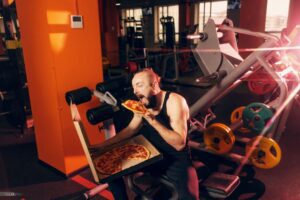
Pre-workout eating
There are a few reasons why eating a big meal right before you work out isn’t a good idea. Firstly, when you eat and begin digesting food, your digestive organs naturally receive blood flow. When you exercise, however, your body naturally directs blood flow to your extremities, specifically the muscles you’re working on. That’s contradictory to digestion and exercise. Essentially, both are competing for more blood flow, and neither gets the amount required for optimal digestion or performance. When food is in your stomach, you’ll get bloated, heavy, and nauseous. You might even vomit, but even if you don’t, you won’t be able to perform at your peak.
You shouldn’t eat too much before a workout because digestion takes a lot of energy. As a result, you feel like all you want to do after a large meal, like a Thanksgiving dinner or a buffet, is go to sleep. To avoid feeling lethargic and tired before or during your workout, you should time your meals well. Because everyone digests food differently, no one solution fits everyone. If you finish eating two to three hours before your workout, you should be fine. Some people will need more time to digest their food. Don’t forget, though, that meals with a lot of fat or just a lot of food will take longer to digest, so plan accordingly.

Pre-workout coffee
Another common mistake is drinking too much coffee before a workout. Caffeine is a common and useful supplement to take before your workout. It gives you more energy, helps you lift more weight, boosts motivation, and boosts focus. That’s why caffeine is in so many pre-workout supplements. The problem is that taking too much caffeine can lead to more contractions in your colon and bile production, resulting in more bowel movements.
This is why caffeine is considered a natural laxative, so don’t consume too much caffeine before a workout, or else you’ll spend all your time on the toilet. If you feel upset or like you need to go to the bathroom a lot, that’s just the beginning. If you drink too much caffeine before your workout, you’ll experience a lot of adverse side effects. Restlessness, insomnia, heartburn, anxiety, and high blood pressure are just a few of them. Make sure you’re taking the recommended dose on the back of the bottle if you’re taking a pre-workout supplement, and don’t drink excessive coffee before you work out.

Stretching before lifting weights
The next big mistake I see a lot of people make is stretching before lifting weights. Not all stretching is bad before a workout, but most people do static stretching, which you shouldn’t do until you’re done. If you don’t know what static stretches are, they involve holding a stretch position for 20 to 30 seconds. The sit-and-reach is an example of a static stretch for the hamstrings, whereas dynamic stretching involves moving back and forth through the entire range of motion.
Frankenstein stretching
You can use the Frankenstein stretching drill for stretching the hamstrings, as well as other dynamic stretches to prepare your body for exercise. On the other hand, static stretches can adversely affect muscle performance if they are done before an activity. Studies show that runners cannot run as fast, athletes cannot jump as far, and weightlifters cannot lift as much after passive static stretching.
Dynamic stretching
Although static stretching has this negative effect, dynamic stretches and exercises do not. Therefore, contrary to popular belief, static stretching is not necessary before your workout at all. You will need to warm up your muscles with dynamic stretches if you choose to stretch before you begin your workout to actively support your flexibility goals and practical tips for success. If your muscles are already tight, you can do static stretches after your workout, when they are already relaxed.

Cardio before lifting weights
If you perform cardio right before you lift weights, you’re making a mistake. It is common for people to do this as part of their warm-up routine, but it can harm you more than it helps you. The main reason for this is that it will reduce your performance. This will force you to either lift lighter weights or reduce the number of repetitions that you do. When you eat carbohydrates, your body uses glucose as a primary source of energy to lift weights. Throughout the day, this glucose is stored as glycogen in your muscles and liver. As soon as your muscles require energy, it will be released and broken down.
Unfortunately, if you do cardio before lifting weights, you’ll burn through a lot of your precious glucose. If you want to lift weights while doing cardio, then keep the cardio for after you lift weights. That would help you push yourself and do better with the weights. When you lift weights, you’ll use glycogen to push yourself, and when you do cardio, you’ll use oxygen and body fat for energy. You won’t do much damage by warming up by walking on a treadmill for five minutes before lifting weights. But if you do more intense cardio like running, and if you do it for longer periods like 15 to 30 minutes, it’s going to hurt your weightlifting sessions. In fact, exhausting your glycogen stores before lifting is one of the 5 common cardio mistakes that are ruining your fat loss.

Too much water before a workout
Drinking too much water before a workout is another mistake you want to avoid. It’s common for people to get obsessed with staying hydrated when they don’t meet their daily water goal. When they drink a lot of water before a workout, they try to drink it all in one go. Of course, staying hydrated throughout the day is essential, and you should make sure that you are getting enough water. However, drinking a large amount of water right before or during a workout is generally not a wise idea. The reason for this is that blood is directed to your extremities when you’re working out. You could feel nauseated and experience cramps during your workout if you fill your stomach with water.
If you want to avoid this issue, you can drink a small amount of water between sets. By doing this, you will prevent this problem and make sure you drink enough water throughout the day without overloading your stomach.

Pre-workout alcohol
It is important to note that while it may seem obvious that you should not consume alcohol before exercising, you must keep this in mind. If you have had some alcohol, you may feel as though you are Superman, which may motivate you to go to the gym or do some calisthenics at home, but I would not recommend this since alcohol depresses your nervous system.
As a result, your reaction time, coordination, and balance will be slower. This won’t just make your workout less effective, but it will also make it more dangerous. When you do not watch your coordination, you may get hurt. Additionally, if you work out right after you have consumed alcohol, you will still have an elevated blood alcohol level.
When you lift weights, you are breaking down your muscles and making tiny microscopic tears in them. The body will direct blood flow to those muscles that you are working on as you exercise. This is a positive thing since the blood carries nutrients and energy into your muscles, and eliminates byproducts like lactic acid that cause fatigue. However, if you drink alcohol and exercise afterward, your blood cells will carry the alcohol right to your torn muscles. This is highly detrimental to both your workout and your recovery afterward.
Alcohol causes dehydration
You should know that alcohol also has one more major downside: it dehydrates you to a significant extent. When this is combined with a workout that causes you to sweat a lot, it can lead to severe dehydration and cramping.
Core training before a weight training workout
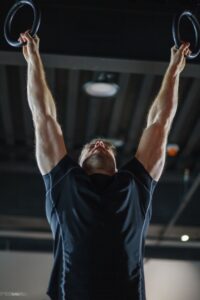
You shouldn’t train your core before your weightlifting workout. Your core is involved in almost any weightlifting exercise. Even if you don’t think of it as a core exercise, like using a bench press where you’re lying down, it still requires core strength. This is not only for stabilizing your body but also for transferring strength between your upper and lower body. Your core connects your upper and lower body. You may not think about it, but pull-ups, for instance, are an upper-body exercise that depends heavily on core strength. If you perform pull-ups immediately after exhausting your abs on the best workout machines for abs, your performance will drop significantly.
Pain relievers
It doesn’t matter how sore you are or how sore you think you’ll be, taking pain relievers is not a good idea before your workout. Ibuprofen can make you sick in the gut, especially when your body is under physical stress. Also, it doesn’t make much sense to take a muscle relaxant before lifting weights. This is because your body will be slower to respond when you’re pushing past your threshold, significantly increasing your risk of injury. You might want to skip your workout that day if you’re so sore you can’t even imagine exercising without taking a pain reliever. The best way to deal with soreness is to let your body recover naturally, as it’s not worth creating gut issues just to mask the pain. It will get better as you adapt to your workouts anyway.

Pre-workout nap
The last thing you should remember before your workout is not to take a long nap. Even though there’s nothing wrong with having a short nap before your workout, sleeping too much can have the opposite effect you’re probably looking for. A short power nap of 20 to 30 minutes will make you feel more energized and refreshed. However, if you sleep for too long, you will probably end up feeling much more tired and lethargic than when you started. If you are exhausted before you go to the gym, you can have a short nap—just make sure you don’t sleep too long.
Read: Best After Workout Foods
Leave a Reply