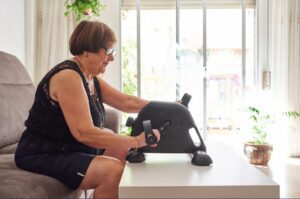
Arm ergometers, also known as arm cycles, are exercise machines specifically designed for upper body workouts. These trainers offer a convenient and low-impact cardiovascular workout that targets the arms, shoulders, and chest muscles. With these machines, you can easily achieve an effective cardio session while remaining seated or standing, without relying on standard lower-body pedals. Whether you have lower body limitations or simply want to diversify your fitness routine, arm ergometers are a highly efficient choice. They allow you to safely build upper-body conditioning in just a few minutes a day.
Using an arm bike can dramatically improve your upper body strength and muscle endurance. Arm ergometers provide a highly controlled, stable, and comfortable environment to increase speed and efficiency. These machines are suitable for individuals of all fitness levels, from beginners to advanced athletes. They can be adjusted to different settings for a highly personalized routine, allowing you to customize the intensity of your workout by adjusting resistance levels according to your preferences.
If you’re looking for a reliable way to enhance your upper body fitness without putting strain on your lower limbs, arm ergometers are the perfect choice. Discover the benefits of incorporating the arm cycle into your exercise routine and take your fitness to new heights.
Benefits of Arm Ergometers
Regular use of arm ergometers can provide numerous benefits for individuals looking to improve their upper body strength, cardiovascular health, and overall fitness levels. Let’s take a closer look at the key advantages that arm ergometers offer:
Increased Upper Body Strength and Muscle Tone
One of the primary benefits of using arm ergometers is the ability to increase upper body strength and muscle tone. These machines target specific muscle groups in the arms, shoulders, and chest, allowing users to engage in targeted training sessions. By regularly incorporating arm ergometer workouts into your routine, you can gradually build strength and develop well-defined muscles in these areas.
Low-Impact Cardiovascular Workout
Arm ergometers are an excellent option for individuals who want to engage in cardiovascular exercise without putting stress on their joints. Unlike traditional cardio exercises like running or jumping rope that involve repetitive impact on the legs and feet, using an arm ergometer provides a low-impact workout that reduces strain on the joints. This makes the arm cycle an ideal choice for people with joint issues or those recovering from lower body injuries.
Improved Stamina and Endurance Levels
Consistent use of arm ergometers can significantly enhance your stamina and endurance levels over time. These machines require continuous effort from your upper body muscles, forcing them to adapt to sustained cardiovascular demands. As a result, your cardiovascular system becomes more efficient at delivering oxygen-rich blood throughout your body, leading to improved endurance during physical activities.
Targeted Training for Specific Muscle Groups
Arm ergometers allow users to focus strictly on specific muscle groups in the arms, shoulders, and chest. This targeted training enables individuals to strengthen weaker areas or work towards achieving specific fitness goals. Whether you want to tone your biceps or build stronger shoulder muscles, arm ergometer workouts provide a versatile platform for isolating and developing specific muscle groups.
Weight Loss Support
Incorporating regular workouts on arm ergometers can contribute to weight loss efforts. These machines provide an effective means of burning calories and boosting metabolism, which are essential factors in shedding excess pounds. By engaging in high-intensity arm ergometer workouts, you can increase your calorie expenditure and create a calorie deficit necessary for weight loss.
To maximize the benefits of using arm ergometers, it’s important to maintain proper form and gradually increase intensity over time. Start with shorter sessions at a comfortable pace and gradually work your way up to longer durations and higher resistance levels. Incorporating other forms of exercise, such as strength training and aerobic activities alongside arm ergometer workouts, can further enhance overall fitness levels.
Uses of Arm Ergometers: Home, Gym, and Clinical Settings
Arm ergometers are versatile exercise machines that can be used in various settings to improve cardiovascular fitness and strengthen the upper body. Let’s explore the different uses of arm ergometers in home gyms, traditional gyms, and clinical settings.
Home Use
Many individuals choose to have arm ergometers in their home gyms due to their compact size and convenience. These machines take up less space compared to larger exercise equipment like treadmills or ellipticals. If you’re looking for a dedicated cardio workout that targets your arms specifically, an arm ergometer is an excellent choice.

✓ Home Use Pros:
- Fits easily in small spaces thanks to its compact size.
- Provides a highly convenient way to get a solid cardio workout at home.
- Can be effortlessly incorporated into existing exercise routines.
✗ Home Use Cons:
- Limited variety of exercise motions compared to multi-functional home gyms.
- Does not offer a comprehensive, full-body lower muscle experience on its own.
Gym Use
Arm ergometer machines are commonly found in commercial gym facilities as a specialized part of their cardio equipment selections. Incorporating an arm ergometer into your gym routine can offer several unique athletic benefits.
✓ Gym Use Pros:
- Allows for isolated, high-intensity upper body athletic conditioning.
- Provides an excellent alternative form of high-calorie cardiovascular exercise.
- Offers great variety within a standard commercial gym routine.
✗ Gym Use Cons:
- Availability may vary depending on your gym’s specific floor equipment selection.
- May require initial guidance from a professional trainer to guarantee ideal form and posture.
Rehabilitation and Clinical Settings
In clinical settings such as physical therapy clinics or rehabilitation centers, arm ergometers play a vital role in therapeutic exercises. They are frequently relied upon by individuals recovering from upper body injuries or surgical procedures as part of guided physical rehabilitation programs.
✓ Clinical Pros:
- Safely improves range of motion and core upper body conditioning.
- Provides a highly controlled and secure environment for injury rehab.
- Can be finely adjusted to easily accommodate varying levels of limited mobility.
✗ Clinical Cons:
- Often requires regular supervision and clinical guidance from healthcare staff.
- Certain specific medical conditions or physical limits might render the machine inappropriate.
People with limited mobility or permanent disabilities can also benefit heavily from using arm ergometers in specialized facilities. These devices provide accessible, adaptable workout formats that promote conditioning safely.
✓ Accessibility Pros:
- Enables individuals with severe lower-body limitations to stay active.
- Provides a universally accessible design style for diverse fitness levels.
- Improves overall heart health, muscle stamina, and everyday quality of life.
✗ Accessibility Cons:
- Optimized, premium adaptive units may be limited to specialized clinic layouts or programs.
- Initial proper instruction and physical transfer assistance may be required.
Arm ergometers are versatile exercise machines that cater to various needs, whether it’s for home use, gym workouts, or therapeutic purposes in clinical settings. They offer a targeted approach to upper body training while providing cardiovascular benefits. However, it’s essential to consider individual circumstances, consult healthcare professionals if necessary, and ensure proper technique and safety precautions are followed when using arm ergometers.
Different Types of Arm Ergometers
To compare the exact mechanical and clinical differences across specialized hardware categories, check out our guide on types of upper body ergometers.
While standard arm bikes offer incredible cardiovascular benefits, the market actually features several distinct variations tailored for rehabilitation, seated stability, or standing power. To understand which specific design aligns best with your physical needs, explore our detailed breakdown of the Types of Upper Body Ergometers available today.
Traditional Arm Crank Ergometers
Traditional arm crank ergometers are designed with a rotating handlebar that users grip and rotate to simulate an arm cycling motion. These machines focus solely on upper body workouts, targeting the muscles in the arms, shoulders, and chest. They provide an effective cardiovascular workout while also helping to build strength and endurance in the upper body.
✓ Traditional Pros:
- Simulates a smooth, natural cycling motion for a realistic workout experience.
- Directly isolates and builds precise upper body muscle groups.
- Offers a joint-friendly, ultra-low-impact fitness routine.
✗ Traditional Cons:
- Very specific utility since it completely bypasses lower-body physical engagement.
Dual-Action Arm Bikes
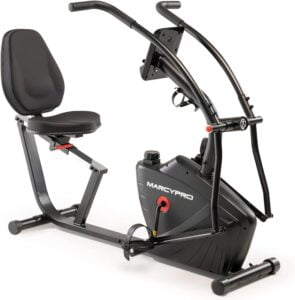
Dual-action arm bikes combine the benefits of traditional arm cranks with additional resistance provided by pedals for simultaneous leg workouts. These machines offer a full-body workout by engaging both the upper and lower body muscles. Users can adjust the resistance levels according to their fitness levels and goals.
✓ Dual-Action Pros:
- Provides a complete, highly intense cardio workout for the entire body.
- Equipped with fully adjustable resistance controls for custom customization.
- Effectively enhances total-body athletic coordination.
✗ Dual-Action Cons:
- Can prove overly exhausting or challenging for true fitness beginners.
- Requires coordinated synchronization to maintain dynamic balance.
Motorized Arm Ergometer Tables
Motorized arm ergometer tables allow users to electronically adjust the height and resistance settings according to their preferences. These machines offer convenience and versatility as they can be easily adjusted without manual effort. The motorized feature makes it easier for individuals with limited mobility or physical disabilities to use these arm ergometers.

✓ Motorized Table Pros:
- Offers smooth, automated height adjustments at the push of a button.
- Excellent setup for injured, senior, or adaptive athletes.
- Provides an ergonomic and comfortable platform for continuous use.
✗ Motorized Table Cons:
- Carries a much higher upfront price tag than manual platforms.
- Requires full, constant proximity to an electrical wall outlet.
Wheelchair-Compatible Arm Ergometers
Wheelchair-compatible arm ergometers are specifically designed to accommodate different wheelchair users. These machines feature adjustable height and positioning options, allowing individuals in wheelchairs to comfortably engage in upper body workouts. They provide an accessible and inclusive exercise option for individuals with mobility limitations.

✓ Wheelchair-Compatible Pros:
- Engineered specifically for optimal wheelchair compatibility and safety.
- Features robust adjustable vertical columns for precise ergonomic alignment.
- Directly builds cardiorespiratory health and upper core flexibility.
✗ Wheelchair-Compatible Cons:
- Tends to lack certain standard secondary features found on main multi-purpose units.
- Requires initial careful alignment of straps/brakes to lock into optimal position.
Portable Arm Ergometers
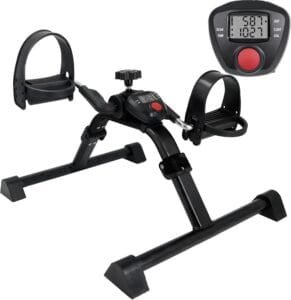
Portable arm ergometers are lightweight and compact, making them easy to transport and use in various locations. These machines are ideal for individuals who travel frequently or prefer exercising outside the gym environment. They offer convenience without compromising on the quality of the workout experience.
✓ Portable Pros:
- Ultra-lightweight, sleek, and exceptionally travel-friendly.
- Can be setup on desks, standard dining tables, or floor spaces anywhere.
- Allows for consistent, simple daily low-impact habit tracking while working.
✗ Portable Cons:
- Fewer digital workout metrics and tracking modes due to space cutbacks.
- Peak mechanical resistance levels are generally lower than commercial units.
Tips for Effective Use of Arm Ergometers
To get the most out of your arm ergometer workouts, here are some helpful tips to keep in mind:
Start with a warm-up and stretching routine
Before hopping onto the arm ergometer, it’s essential to prepare your muscles and joints. Begin with a brief warm-up session to increase blood flow and raise your body temperature. You can do some light cardio exercises like marching in place or arm circles. Afterward, focus on stretching your arms, shoulders, and upper back to improve flexibility and prevent injuries.
Maintain proper posture throughout the workout
Maintaining proper posture is crucial when using an arm ergometer. Sit upright with your shoulders relaxed and core-engaged. Avoid slouching or leaning forward as this can strain your neck and back. Keep your feet flat on the ground for stability. By maintaining good posture, you’ll ensure that the targeted muscles are effectively engaged while minimizing the risk of discomfort or injury.
Gradually increase resistance or intensity levels
As you build strength and endurance over time, it’s important to challenge yourself by gradually increasing the resistance or intensity levels on the arm ergometer. This progressive overload helps stimulate muscle growth and improves cardiovascular fitness. Start at a comfortable level and then incrementally raise the resistance as you feel more confident and capable.
Vary your workouts with interval training
To keep things interesting and maximize results, incorporate interval training into your arm ergometer workouts. Interval training involves alternating between periods of high-intensity exercise and active recovery. For example, you can perform short bursts of intense arm movements followed by slower-paced movements for active recovery. This type of training boosts calorie burn, improves cardiovascular fitness, and enhances overall endurance.
Alternate between forward and backward arm movements
Another way to add variety to your arm ergometer workouts is by alternating between forward and backward arm movements. While most people naturally prefer moving their arms in a forward direction, reversing the motion engages different muscle groups and challenges your body in new ways. By incorporating both forward and backward arm movements, you’ll achieve a more balanced upper body workout.
Monitor heart rate during workouts
To ensure that you’re working at an appropriate intensity level, it’s beneficial to monitor your heart rate during arm ergometer workouts. You can use a heart rate monitor or take advantage of built-in sensors on some arm ergometers. Aim for a target heart rate range based on your age and fitness goals. This will help you gauge if you need to increase or decrease the intensity of your workout.
Features and Accessibility of Wheelchair-Compatible Models
Wheelchair-compatible arm ergometers are specifically designed to cater to the needs of individuals with limited mobility. These machines offer a range of features that make them accessible and user-friendly for wheelchair users. Let’s explore some key features and benefits of these wheelchair-compatible models.
Adjustable Height Settings for Proper Alignment
One important feature of wheelchair-compatible arm ergometers is their adjustable height settings. This ensures that individuals in wheelchairs can achieve proper body alignment while using the machine. By adjusting the height, users can position themselves comfortably, allowing for a more effective and efficient workout.
Wide Bases for Stability
To provide stability during workouts, wheelchair-compatible arm ergometers often come with wide bases. These bases help prevent tipping or wobbling, ensuring a safe exercise experience for individuals in wheelchairs. The wide base also provides a sturdy platform for users to exert force without worrying about any instability issues.
Secure Attachment Mechanisms
Maintaining a secure attachment between the wheelchair and the arm ergometer is crucial for safety and stability. That’s why many wheelchair-compatible models feature secure attachment mechanisms. These mechanisms keep the wheelchair firmly in place during workouts, preventing any unwanted movement or slippage.
Removable Seats or Platforms
Some wheelchair-compatible arm ergometers go the extra mile by offering removable seats or platforms. This feature allows individuals to roll their chairs directly into the machine frame without any hassle. It eliminates the need for complex transfers or extra configuration adjustments, making the workout setup smoother and more convenient.
Adjustable Resistance Levels
Just like regular arm ergometers, wheelchair-compatible models come with adjustable resistance levels. This feature caters to different fitness levels, accommodating both beginners and advanced users. Users can start at lower resistance levels and gradually increase as they build strength over time.
Accessible Control Panels
Accessibility is a top priority. Wheelchair-compatible arm ergometers often have control panels with large buttons or high-contrast touchscreens. These user-friendly interfaces make it easier for individuals with limited dexterity or visual impairments to operate the machines independently.
Suitable for Standing or Seated Workouts
Another advantage of wheelchair-compatible arm ergometers is their versatility. These machines can be configured for standing workouts or used in a standard seated position depending on an individual’s physical needs and facility capabilities. This flexibility allows users to choose the most comfortable position while still benefiting from targeted upper body fitness tracking.
Custom Time and Resistance Monitoring
Individuals using wheelchair-compatible arm ergometers can fully customize their workout sessions according to their specific needs. They can adjust the time duration and resistance levels based on their personal fitness goals and physical abilities. Whether it’s a short burst of intense exercise or a longer endurance session, these machines provide the perfect platform for achieving desired results.
An Inclusive Solution Suitable for Anyone
Wheelchair-compatible arm ergometers are not limited to permanent wheelchair users alone. These machines are intentionally designed to accommodate anyone with limited mobility, balance conditions, or those who prefer upper body conditioning over typical stationary cycles. Whether you’re recovering from an acute lower body injury, have difficulty maintaining standing balance, or simply want to focus on strengthening your arms and shoulders, these models offer a great solution.
Motorized Adjustable Upper Body Ergometer Table: Unique Features
The motorized adjustable upper body ergometer table is a game-changer. With its unique features, this specialized support equipment takes your upper-body training routine to a completely professional level. Let’s explore what sets these tables apart.
Electronic Height and Resistance Adjustment
One of the standout features of motorized adjustable upper body ergometer tables is their ability to electronically adjust both the height of the table surface and the resistance levels of the arm cranks. This means you can easily customize your workout position according to your preferences and fitness goals. Whether you want a challenging high-intensity session or a more relaxed low-impact workout, these tables have got you covered.
Versatile Workout Experience
These tables provide a versatile workout experience thanks to their motorized adjustment feature. You can switch between seated exercises at a lower table height or standing exercises at a higher table height. This adaptability allows you to target different muscle groups and engage in various types of movements, keeping your workouts fresh and exciting.
Convenient for Multiple Users
Sharing exercise equipment with others can sometimes be a hassle, especially if each person has different requirements for height and resistance levels. However, with motorized adjustable upper body ergometer tables, that inconvenience becomes a thing of the past. The electronic adjustment feature allows multiple users to share the same machine without needing manual crank adjustments each time. It saves time and ensures everyone can enjoy their workout without any interruptions.
Additional Tech Integration
Some premium models of motorized adjustable upper body ergometer tables go above and beyond by offering additional tech features. These may include built-in workout programs designed by fitness experts, Bluetooth connectivity for seamless integration with other personal devices like smartphones or tablets, or compatibility with popular fitness tracking apps that allow you to monitor your progress over time.
Comprehensive Upper Body Workout with Proper Ergonomics
By combining an adjustable table surface with the arm ergometer, these systems provide a comprehensive upper body workout while promoting proper ergonomics. The ability to adjust the height of the table ensures that you maintain a comfortable, safe, and natural posture during your exercises. This helps prevent strain or back injuries and allows you to focus on getting the most out of your training sessions.
The Versatility and Performance Boosting Potential of Arm Ergometers
These versatile exercise machines offer a wide range of advantages for individuals looking to improve their upper body strength and cardiovascular fitness. Whether you’re using an arm ergometer at home, in the gym, or in a clinical setting, you can expect enhanced performance and a highly targeted workout.
To make the most out of your arm ergometer workouts, remember to maintain proper form and technique while following the provided tips. Consider investing in a wheelchair-compatible model if you require accessibility features. With motorized adjustable upper body ergometer tables offering unique features like height adjustability and versatility for different exercises, there are options available to suit various needs.
If you’re ready to take your upper body workouts to the next level or are seeking rehabilitation exercises for specific conditions, arm ergometers can be an excellent choice. Incorporate them into your fitness routine or therapy sessions to experience their full potential.
FAQs
Can arm ergometers help with weight loss?
Arm ergometers can definitely contribute to weight loss when used as part of a well-rounded fitness program that includes a balanced diet and other forms of exercise. Regular use of an arm ergometer helps burn calories and increase overall energy expenditure.
Are there any age restrictions for using arm ergometers?
Arm ergometers can be safely used by people of all ages, from children under athletic supervision to older people aiming to preserve joint mobility. However, if you are recovering from an injury or dealing with medical conditions, it is always recommended to talk with a professional healthcare provider before starting a new exercise regimen.
Leave a Reply